


Substance Abuse and Domestic Violence: National Statistics
Evaluate Vs
سبتمبر 13, 2024Commodities Vs Securities: Key Variations
أكتوبر 15, 2024Signs may include the abuser controlling all financial decisions, limiting the victim’s access to bank accounts, or forcing them to justify every expense. As an illustration, the abuser may use the victim’s financial insecurity to exert further control. If you notice a loved one pulling away from their social connections, or if you find yourself being cut off from your support system, it’s time to reach out. Contacting a trusted family member, friend, or professional can provide the support and intervention needed to prevent the situation from worsening. These statistics illustrate how intertwined these issues are, suggesting a cyclical pattern where substance abuse can exacerbate domestic violence and vice versa.
The Role of Counseling and Therapy in Addiction Recovery
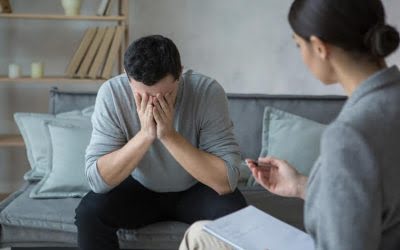
These statistics underscore that we’re not discussing a minor side effect but rather a major consequence of substance abuse that demands serious attention from social workers, policymakers, and communities. Domestic violence is a pattern of abusive behaviors used by one partner to gain or maintain power and control over another partner in an intimate relationship. It can occur in marriages, dating relationships, family settings, or live-in relationships. Domestic violence and substance abuse are both harsh realities to face. The important thing is to remember that there is help available should you be substance abuse and domestic violence willing to receive it. Seeking out treatment options for both substance use disorder and domestic violence is imperative to recovering completely.
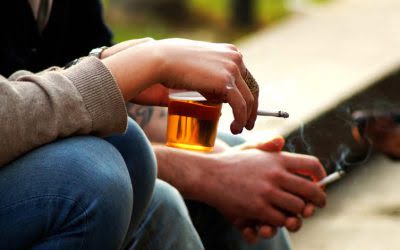
How can I safely leave an abusive relationship when I have a substance use disorder?
- Our trauma-informed care helps patients heal from the effects of trauma as part of their overall recovery from addiction.
- Dual diagnosis support programs specifically target the intertwined nature of addiction and trauma, providing tailored therapies and resources.
- These aren’t isolated incidents or rare occurrences; they represent a consistent pattern that social workers encounter regularly in their practice.
- Professional treatment works best when it addresses both domestic violence and substance abuse.
- No matter the situation, it’s important for loved ones to understand the symptoms and reasoning behind their behavior.
Meanwhile, victims of domestic violence may turn to substances themselves as a way to cope with trauma, potentially developing their own substance abuse problems. What makes this situation particularly heartbreaking is identifying who suffers most. Children and women emerge as the most vulnerable victims in these scenarios. Child abuse—whether physical, emotional, or neglect—becomes significantly more likely when caregivers are under the influence of substances.
- Many victims often cope in silence, self-medicating with drugs and alcohol.
- Alcohol, for instance, is a central nervous system depressant that impairs cortical activity.
- In addition to the former two ways substance abuse can show up with domestic violence, there is also the possibility that the abuser has a substance abuse issue.
- We have therapists who specialize in addiction therapy and eating disorder therapy in NYC.
- SAMHSA recommends that treatment providers look into the issues of both domestic violence and substance abuse for each client to offer the appropriate treatment programs in the case of dual occurrence.
Intimate Partner Violence and Co-Occurring Substance Abuse/Addiction
Domestic violence can appear different, depending on circumstances, but common signs include name-calling, threats, isolation from friends and family, and controlling behavior. It can happen in any relationship, regardless of age, gender, or background, and it’s about controlling and hurting someone in ways that are meant to make them feel Alcohol Use Disorder powerless. Domestic violence and substance abuse often intertwine, creating a complex and harmful cycle that affects survivors, abusers, and their families.